




















On July 12, 2023, the Senate Judiciary Committee held a hearing that served as a significant milestone in the discussion of the intricate issues surrounding artificial intelligence (AI) and copyright. This session brought together major industry players, including representatives from Adobe, Stability AI, and several distinguished academics, to talk about the ever-evolving landscape of copyright law in the age of AI.
AI and Likeness
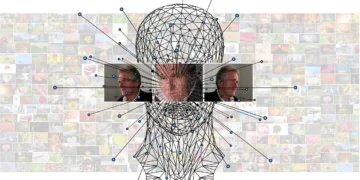
Ben Brooks from Stability AI addressed the topic of AI and likeness, emphasizing the delicate balance that must be maintained. He asserted the need for clear regulation in this field to avoid potential misuse and misrepresentation. Brooks stated, “There need to be clear rules around how likeness is used in that context whether through the right of publicity or through some of the bespoke deep fake legislation.” This highlighted the urgent need to address this issue in order to ensure that individual rights are safeguarded as technology continues to evolve at a rapid pace.
Impact on Local Journalism
Senator Amy Klobuchar drew attention to the impact of AI on local journalism. Citing a prediction that a third of U.S. newspapers that existed two decades ago would disappear by 2025, she voiced her concerns about the sustainability of the industry in the wake of AI advancement. She sought insights from Adobe’s representative, Dana Rao, asking, “Could you describe how Adobe approaches this issue, and in your experience, is it possible to train sophisticated generative AI models without using copyrighted materials absent consent?”
In response, Rao assured that it is indeed possible, explaining, “Our current model that is out there is trained using the licensed content that I had mentioned before and other content that has no restrictions on it and it comes from the right holders directly.” This response pointed towards the possibilities of responsible AI use that respects copyrights while also innovating in the field.
Federal Statutory Right of Publicity
The hearing also delved into the issue of a federal statutory right of publicity. Matthew Sag, an academic expert in attendance, argued that this right should extend beyond just well-known artists and musicians to encompass all individuals. He affirmed, “All of us deserve to be protected from Deep fakes and synthetic reproductions of our name, image, and likeness.”
Echoing a similar sentiment, Dana Rao from Adobe proposed the idea of a federal anti-impersonation right, asserting, “That’s why we believe they do need this right so they can go after these people who are impersonating work whether that’s likeness whether that’s style.” This proposition underscores the necessity of protecting individuals from potentially harmful misrepresentations.
The Role of AI in Creative Work
Jeffrey Harleston led the conversation around AI and creative work, referencing the recent guidance issued by the Copyright Office that emphasizes human authorship as a critical component of any copyright protection. He stated, “I think they did a pretty good job trying to strike that balance in the conversation.” This highlights the need to ensure that original human creativity continues to be recognized and protected, even as AI becomes increasingly involved in the creative process.
The Need for Transparency
Karla Ortiz, a creative artist, highlighted the crucial need for transparency in AI data sets. She voiced her concern, stating, “For this, we need to ensure that there’s clear transparency built from the ground up… if you don’t know what exactly is in the data set, how do we know how the licensor knows that my work is in the data set.” Her sentiments underscore the need for transparency and accountability in the use of AI, particularly when it comes to ensuring that artists and creators are aware of and consent to the use of their work in AI training data.
The Way Forward
In concluding the session, there was a consensus among the participants that legislative action is necessary to navigate the complex intersection of AI and copyright law. Senator Thom Tillis emphasized the importance of consumer awareness, stating that consumers should be informed when a work is created by a machine versus human creativity. He said, “I don’t see a day 100 years from now where those rooms are going to be named after great LLMs… there’s a natural, cultural bias for rewarding the human beings who are truly the creators and the lifeblood of our creative community.”
In conclusion, while the session underscored the complexity of the issues at hand, it also highlighted the shared commitment of all participants to take thoughtful, deliberate action. The aim is to protect the rights of individuals and those earning their living through creativity while also ensuring that consumers have a clear understanding of what they are consuming. This hearing marks an important step in the ongoing dialogue on the role and regulation of AI in the creative sector, setting the stage for future legislative action.